
Green infrastructure Nedir?
Bu madde, sayarbilgi kavram dizini kapsamında hazırlanmış bir sözlük incelemesidir.
Green Infrastructure
Green infrastructure, often integrated with aquatic systems as blue-green infrastructure, refers to a strategically planned network of natural and semi-natural areas designed to provide the essential “ingredients” for addressing complex urban and climatic challenges. By adopting the philosophy of “building with nature,” this approach utilizes biological components to create resilient ecosystems that offer a sustainable alternative or supplement to traditional grey infrastructure.
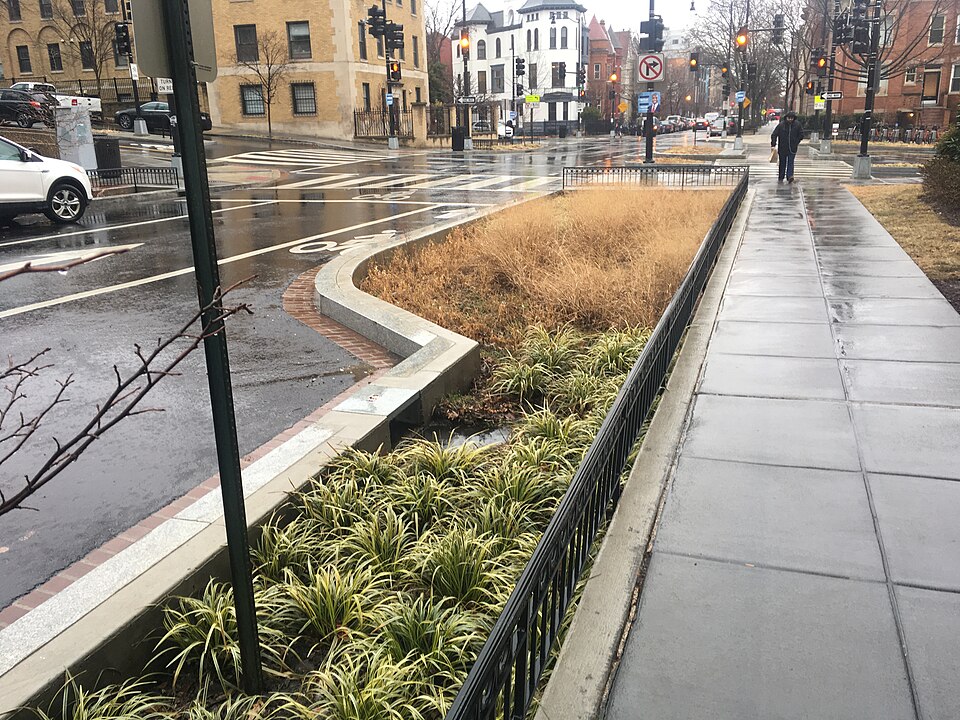
The core functionality of green infrastructure is multifaceted, aiming to provide an ecological framework that supports both environmental health and human well-being. Key components and benefits include:
- Stormwater management: Mitigating flood risks and managing water runoff effectively.
- Climate adaptation: Reducing urban heat stress and creating resilient environments against extreme weather.
- Biodiversity and Air Quality: Enhancing local flora and fauna while improving the quality of breathable air.
- Resource Sustainability: Facilitating food production, ensuring clean water, and maintaining healthy soils.
- Human-Centered Services: Providing essential urban amenities such as recreation areas, shade, and shelter for city dwellers.
In recent years, the concept has evolved to include a significant focus on social inclusion and equity. Rather than merely providing aesthetic greenery, modern green infrastructure aims to dismantle pre-existing structures of unequal access to nature-based services, ensuring that environmental benefits are distributed equitably across all urban demographics.
From a technical and regulatory standpoint, green infrastructure is recognized as a subset of “Sustainable and Resilient Infrastructure”, as defined in standards such as SuRe. Depending on the specific context, it may also encompass low-carbon infrastructure, which includes critical systems like renewable energy networks and public transportation systems.
When specifically focused on water management, green infrastructure becomes a primary component of sustainable drainage systems (SuDS or SUDS). These systems are engineered to manage the quantity and quality of water while simultaneously providing significant improvements to local biodiversity and general urban amenity. By integrating these natural elements into the urban fabric, cities can create more harmonious environments that support both ecological integrity and human prosperity.
Görsel Kaynağı: Wikimedia Commons