

R aquarii Nedir?
Bu madde, sayarbilgi kavram dizini kapsamında hazırlanmış bir sözlük incelemesidir.
R Aquarii
R Aquarii (R Aqr) is a variable star located in the constellation Aquarius. It is classified as a symbiotic star, which consists of a binary system containing a red giant primary and a white dwarf secondary.
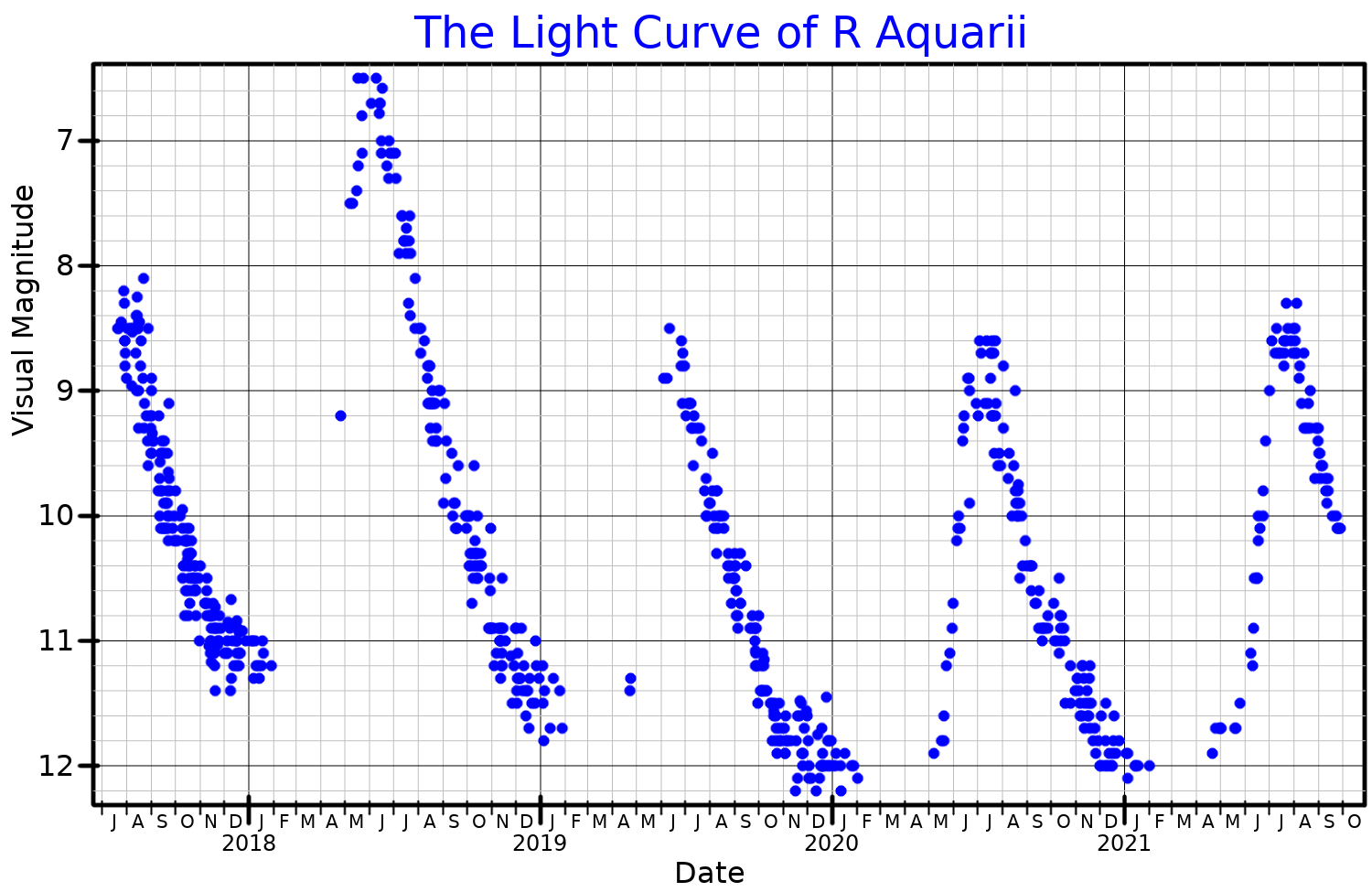
The orbital period of the R Aquarii system is approximately 40 years. The primary component is identified as a Mira variable, characterized by significant fluctuations in brightness—varying by a factor of several hundred over a cycle slightly exceeding one year. This variability was first documented by Karl Ludwig Harding in 1810. The star exhibits a total magnitude range of 5.2 to 12.4, representing a variation of 750 times in brightness; this allows the star to transition from being visible to the naked eye to being beyond the reach of binoculars. These pulsations occur every 390 days but do not follow a perfectly regular cycle.
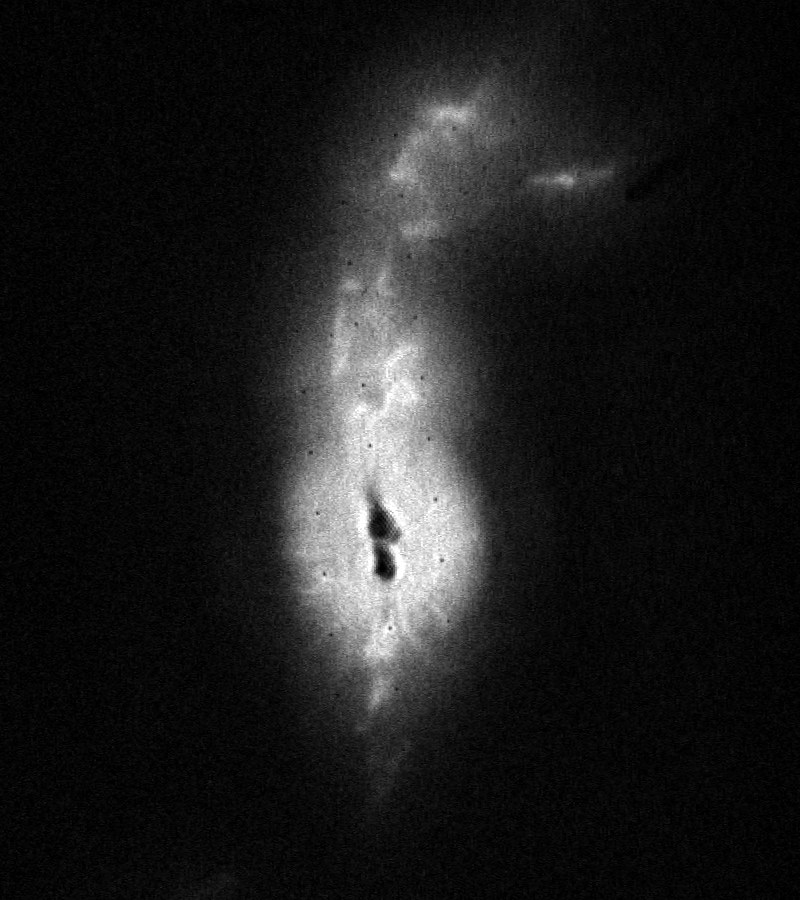
As one of the nearest symbiotic stars, R Aquarii is also recognized as a well-known jet source. The two components of the binary system have been resolved at a separation of 55 mas. Due to its location in a highly dusty region of space, the entire system appears reddened because blue light is absorbed before reaching Earth.
Nebula and Interactional Dynamics
The white dwarf component of the system exerts a gravitational pull that draws material from the red giant. Periodically, the white dwarf ejects surplus material in loops, forming the nebula known as Cederblad 211. While the nebula is relatively bright, it is small and dominated by its central star. Because of these characteristics, visual observations are considered difficult and rare.
It is possible that the nebula represents the remnant of a nova-like outburst, which may have been observed by Japanese astronomers as far back as 930 AD. The central region of the jet displays complex structures; one ejection occurred approximately 190 years ago, while another jet was launched in January 2020. The expansion rate of these jets provides a constraint for the system’s distance, which is calculated to be 260 ± 27 parsecs (848 ± 88 light-years).
Görsel Kaynağı: Wikimedia Commons