

Venture capital Nedir?
Bu madde, sayarbilgi kavram dizini kapsamında hazırlanmış bir sözlük incelemesidir.
Venture Capital
Venture capital (VC) is a form of private equity financing provided by firms or funds to startup, early-stage, and emerging companies that have been deemed to have high growth potential or that have demonstrated significant growth in terms of number of employees, annual revenue, and scale of operations. Venture capital firms invest in these early-stage companies in exchange for equity, or an ownership stake. Because startups often operate under conditions of high uncertainty—frequently based on innovative technologies or business models in sectors such as information technology (IT) or biotechnology—venture capital investments carry a high risk of failure.
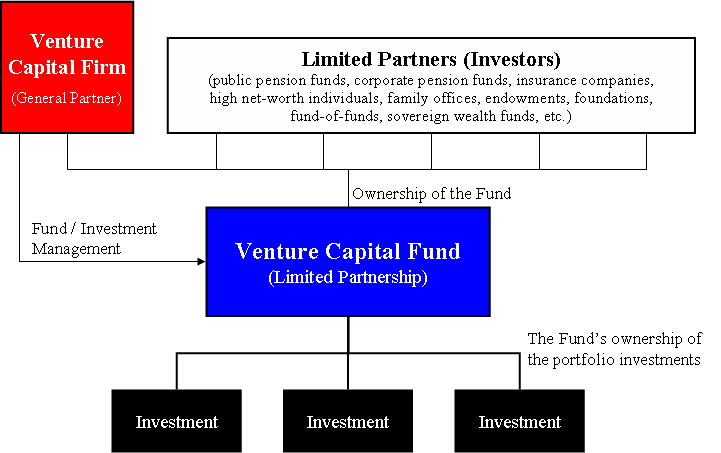
The initial stages of funding for a startup company are known as pre-seed and seed rounds. During a seed round, entrepreneurs seek investment from angel investors, venture capital firms, or other sources to finance the initial operations and development of their business idea. This initial capital injection is often used to validate the concept, build a prototype, or conduct market research, providing the necessary foundation for the startup to kickstart its journey and attract further investment in subsequent funding rounds.
Typical venture capital investments occur after an initial “seed funding” round. The first round of institutional venture capital intended to fund growth is known as the Series A round. Venture capitalists provide this financing with the objective of generating a return through an eventual exit event. These exit events may include:
- An initial public offering (IPO), where the company sells shares to the public for the first time.
- A merger or acquisition by another entity, such as a financial buyer in the private equity secondary market.
- A sale to a trading company, such as a competitor.
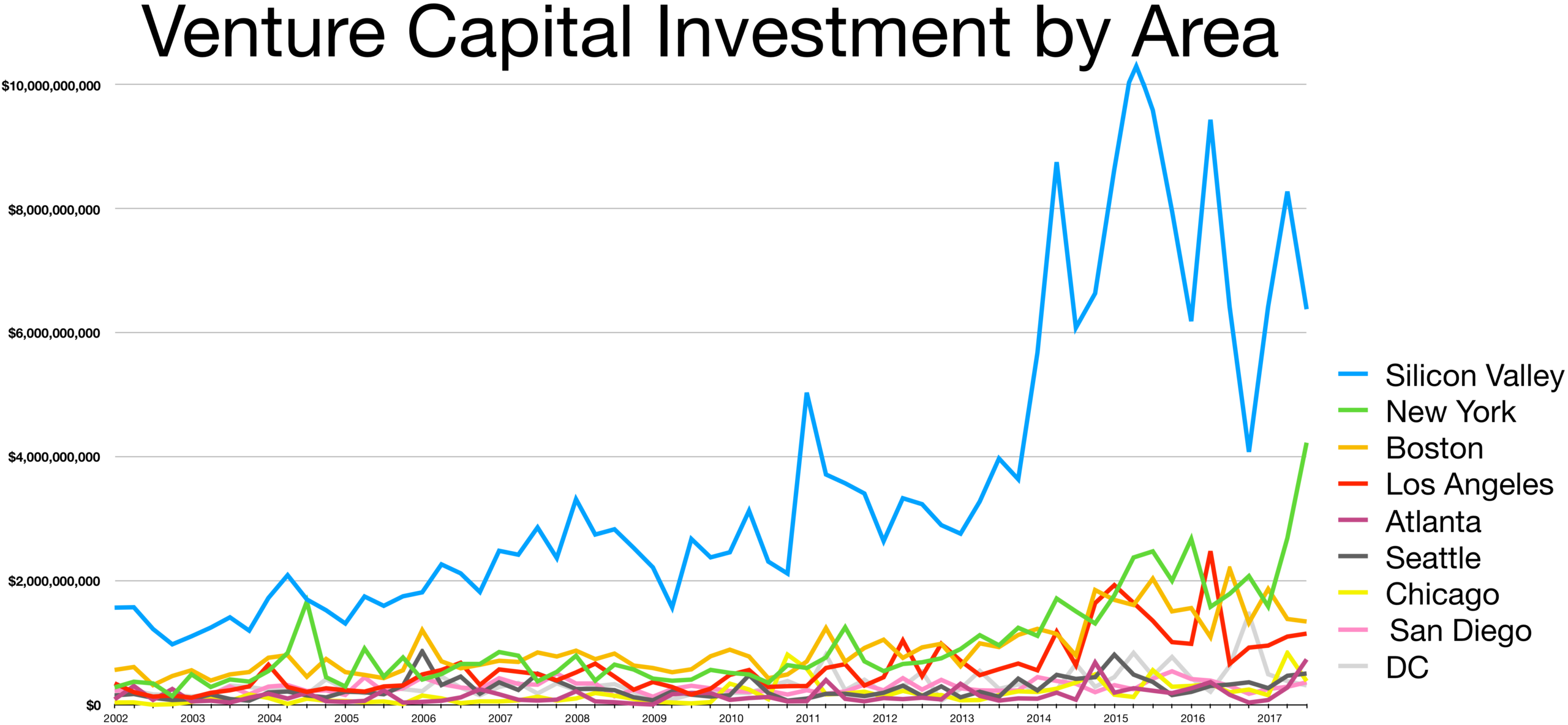
Venture capital is particularly attractive for new companies with limited operating history that are too small to raise capital in public markets and have not reached the point where they can secure a bank loan or complete a debt offering. In exchange for the high risk of investing in smaller, early-stage companies, venture capitalists typically receive significant control over company decisions along with a substantial portion of the company’s ownership and value. Additionally, these investors often provide strategic advice to the company’s executives regarding business models and marketing strategies.
Privately owned companies that reach a market valuation of over $1 billion are referred to as unicorns. As of May 2024, there were a reported total of 1,248 unicorn companies.
Görsel Kaynağı: Wikimedia Commons