The most authentic angle here: “Open” hardware – the philosophy that the design blueprints of chips and hardware should be open, like open source software. This is a fascinating intersection of:
1. Semiconductor physics / transistor physics
2. Microprocessor design
3. Open source philosophy (OSHWA)
4. The historical context
– OpenRISC (open CPU architecture)
– RISC-V (open instruction set architecture)
– OpenCores
– The SiFive RISC-V chips
– TinyFPGA
– Various open CPU designs
The deep theme here is the democratization of chip design – the idea that the most complex, most proprietary, most geopolyitically charged technology in human history (semiconductors) could become open. This is a powerful narrative.
Now, the “Yoksa yok kuralı” (if there’s nothing, leave it rule) – the scrap doesn’t give me specific project names or specific verified parameters beyond the general categories. So I should NOT invent specific chip models, specific transistor counts, specific performance numbers that aren’t verifiable. I should focus on:
– The genuine physics of semiconductors and transistors (this is real, well-established physics)
– The genuine history and philosophy of open source hardware
– The genuine intersection of these
1. Semiconductor physics – real physics of how transistors work
2. The open source hardware movement and OSHWA
3. The geopolitical and historical significance
4. The design principles
I need to be careful not to hallucinate specific project details. But I can speak authentically about:
– The physics of semiconductors (silicon, doping, electrons and holes, p-n junctions)
– How a transistor works as a switch/amplifier
– The open source hardware philosophy
– RISC-V as a genuine open ISA example (this is real and verifiable)
– OpenRISC (real)
– The OSHWA organization (real)
The language should be:
– Scientific, precise but literary
– The voice of a science editor
– Deep, evocative
– Turkish only
Let me draft the subheadings (3-5, original, deep):
1. Something about the atom and the switch – the physics foundation
2. Something about open blueprints / the philosophy of openness
3. Something about the transistor as the fundamental unit
4. Something about the geopolitical/historical dimension
5. Something about the future
Let me think of evocative Turkish subheadings:
1. “Bir Atomun Üstünde Kurulu Anahtar” – A switch built on a single atom (transistor physics)
2. “İşin İçindeki Felsefe: Tasarımın Paylaşılması” – The philosophy within: sharing the design
3. “Silikon Üzerindeki Şehirler” – Cities on silicon (integrated circuits)
4. “Kapalı Duvarların Ötesinde” – Beyond the closed walls (open source movement)
5. “Miras: Açık Gelecek” – Legacy: an open future
Let me refine these to be more original and deep.
Actually, let me think more carefully about the core essence. This scrap is about “Open” hardware – semiconductor physics and microprocessor design principles, from OSHWA archive. The essence is: the radical idea that the design of the most sacred, proprietary technology should be open. And the physics that makes it all possible.
Let me write with genuine depth about:
– The quantum/physical reality of semiconductors
– The transistor
– The integrated circuit
– The open source hardware philosophy
– The democratization
I’ll avoid inventing specific project specs. I can mention RISC-V and OpenRISC and OSHWA as real entities. I should be careful – let me focus on the principles and physics which are verifiable and deep.
Let me write the prose now.
First paragraph – must be gripping, draw into the center of the topic.
Then INLINE_IMAGE_1 after the second section
INLINE_IMAGE_2 after the third section
Let me structure:
– Intro paragraph
–
Section 1: The physics
–
Section 2: The transistor/switch
– INLINE_IMAGE_1
–
Section 3: Open source philosophy
–
Section 4: The historical/geopolitical
– INLINE_IMAGE_2
–
Section 5: The future/legacy
Let me write in beautiful Turkish prose.
I need to use only
,
, , tags. No markdown code blocks, no html/body tags.
Let me write this carefully and authentically.
Draft:
Intro:
“Modern uygarlığın en derinden, en gizli, en çok kilitli teknolojisi bir anahtardır. Ve bu anahtar, insanlığın tarihte ürettiği en karmaşık makineden bile daha küçük bir yapıda gizlidir: transistor. Çoğu zaman bu aletlerin mimarisi, tıpkı eski lonca sırları gibi duvarların ardına gizlenir; oysa ‘Açık Donanım’ hareketi, bu karanlık koridorların içine kasıtlı bir ışık tutar.”
Hmm, let me make it better and more precise.
Let me write the full thing now.
Actually, I want to make sure the physics is accurate. Let me recall:
– Semiconductors: silicon, germanium. Band theory – valence band and conduction band, band gap.
– Doping: n-type (phosphorus, extra electron), p-type (boron, hole).
– p-n junction: depletion region, electric field.
– MOSFET: source, drain, gate, channel. Gate voltage controls channel conductivity. This is the basis of digital logic.
– CMOS: complementary MOS, PMOS and NMOS.
– Moore’s law: transistor density doubling.
– Photolithography: etching circuits onto wafers with light.
RISC-V: open, modular instruction set architecture, developed at UC Berkeley, released as open standard. This is real.
OpenRISC: open source CPU project.
OSHWA: Open Source Hardware Association, founded 2012, maintains the Open Hardware Registry.
Let me be accurate and not overclaim. I’ll speak about these authentically.
Let me write the final version.
I’ll aim for a substantial, rich piece. Let me write.
Title consideration – the scrap gives “Open: Yarı İletken Fiziği ve Mikroişlemci Tasarım İlkeleri”. I’ll create a compelling main title.
Let me write:
—
Modern dünyayı döndüren her şeyin kalbinde, gözle görülemez bir anahtar vurur. Bu anahtar o kadar küçüktür ki, bir çipteki trilyonlarca kopyası insanlığın tarihinde bir döneme adını yazdı: işlemci. Yarı iletken fiziği, aslında bir kristalın içinde elektronları ve boşlukları yönlendiren bir disancılıktır; mikroişlemci tasarımı ise bu soğuk kuantum matematiğini, insanın anlayabileceği bir mantıksal dile çeviren mimari bir iradedir. ‘Açık Donanım’ (Open Hardware) hareketi ise burada devreye girer: Bu teknolojinin en gizli, en çok kilitli, en pahalı parçalarının şablonlarının, tıpkı açık kaynak yazılım gibi herkesin gözü önüne serilmesini ister. OSHWA arşivi, işte bu açığın kaydını tutar.
Good intro. Now sections.
Bir Kristalın İçindeki Ordu: Yarı İletken Fiziği
…
Let me write about semiconductor physics.
Silicon, four valence electrons, covalent bonds, crystal lattice. Pure silicon is a poor conductor. Doping introduces charge carriers. n-type and p-type. The band gap. The p-n junction creates a diode.
Let me write:
Silikon, toprağın en yaygın bileşeninden biri olan ve aynı zamanda modern medeniyetin ikincil ham maddesi sayılan bir elementtir. Dış yörüngesinde dört elektronu olan silikon, bu elektronları komşu kristallerle paylaşarak mükemmel bir üç boyutlu ızgara kurar. Saf haldeyse bu ızgara neredeyse bir yalıtıcıdır; elektronların serbestçe dolaşması için gereken enerji, odayısıl bir engel olan ‘yasak bant’ adı verilen bir boşlukta hapsolur. İşte mühendisliğin sihirli dokunuşu burada başlar: Silikona, yalnızca bir atom oranında, fosfor gibi beş değerlikli elektronlu bir element eklediğinde, artan o tek elektron serbest kalır ve malzeme negatif taşıyıcılar barındıran bir yarı iletken haline gelir. Bor gibi üç değerlikli bir element konduğunda ise tersi olur: ‘boşluk’ denilen, elektron eksikliğini temsil eden pozitif taşıyıcılar doğar. Biri n tipi, diğeri p tipi bu iki kristali bir araya getirdiğinde, birleşim çizgisinde kendiliğinden oluşan bir elektrik alan belirir ve böylece akımı yalnızca bir yöne akıtan bir düzeye, diyota sahip olunur.
Good. Now the transistor.
Mantığın En Küçük Birimi: Transistör ve Anahtar
…
MOSFET: gate, source, drain. Voltage controls the channel. This is the switch. CMOS. Digital = on/off = 1/0.
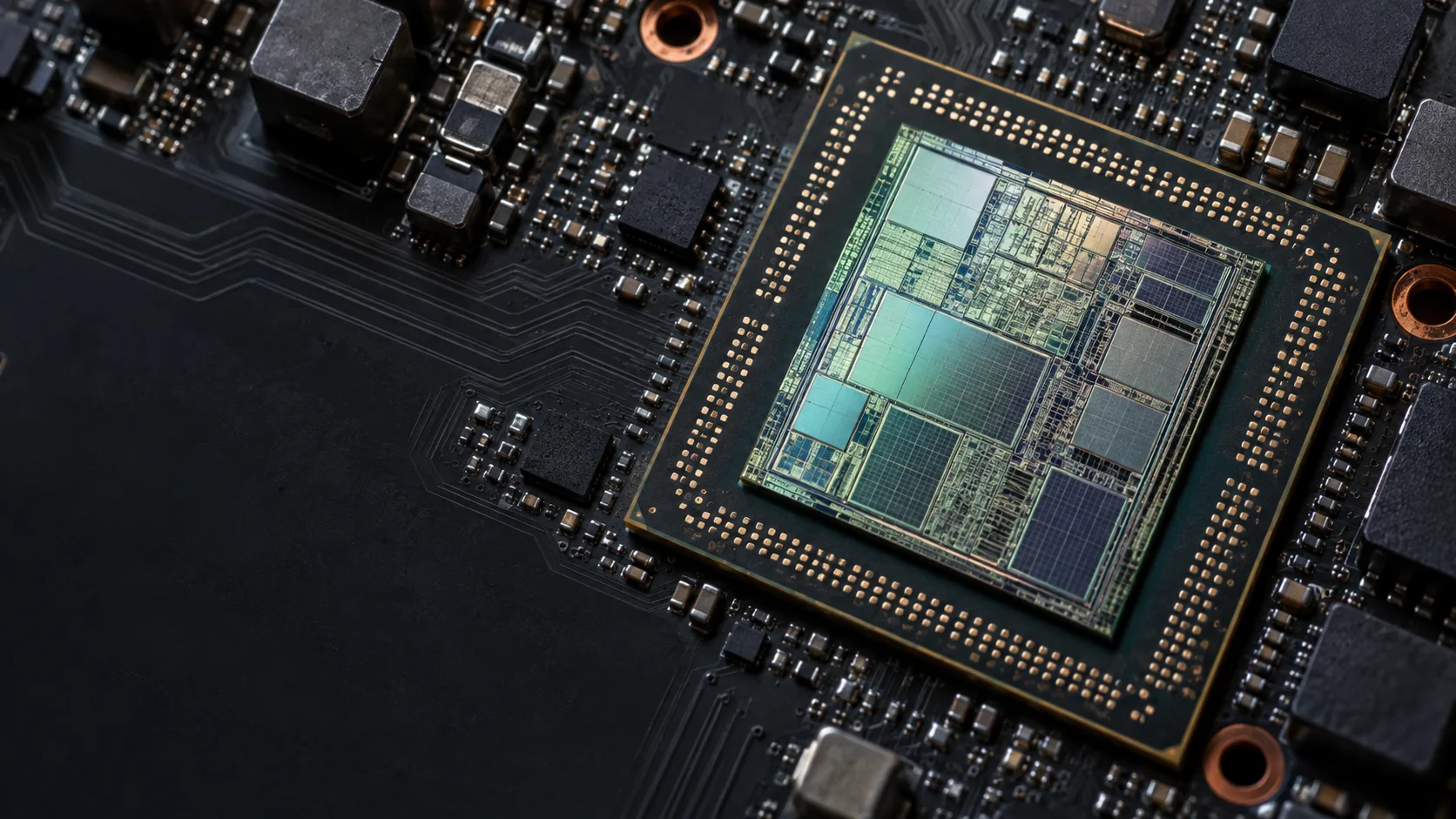
Diyotun ardından gelen, aslında tüm dijital dünyayı inşa eden yapı transistördür. Özellikle günümüz mikroişlemcilerinin omurga ismi olan MOSFET (metal-oksit-yarı iletken-etki transistörü), bir anahtardır ve bu anahtar fiziksel olarak bir levmeye basmak yerine, bir elektrik alanıyla kontrol edilir. Kaynak (source) ve kaynak (drain) arasındaki ince bir kanalda, kapı (gate) elektroduna uygulanan voltaj, o kanalı açıp kapatır. Belirli bir eşik voltajı aşıldığında kanal ileşir ve akım akar; aksi halde akım kesilir. Bir trilyon transistörü bu soğuk, sessiz anahtarlama mantığıyla dizdiğinizde, geriye yalnızca iki değer kalır: sıfır ve bir. Tüm yazılım, tüm oyun, tüm hesaplamalar, bu iki değerin milyarlarca kez açıp kapanmasının sonucudur. Bir işlemci aslında, voltajları kullanarak mantık problemlerini çözen devasa bir anahtar panosudur.
INLINE_IMAGE_1
Now open source philosophy.
Tasarımın Açılması: Neden ‘Açık Donanım’?
…
Open source software inspired open hardware. The blueprint/schematic/PCB/source should be available. OSHWA. The philosophy of transparency, collaboration, avoiding vendor lock-in.
Açık yazılımın başarısı, geliştiricilere kodu görme, değiştirme ve paylaşma özgürlüünü verdi. Açık donanım ise bu felsefeyi, en zor, en pahalı ve en çok tescilli alan olan fiziksel çiplere taşır. Bir çip tasarımı yalnızca son görünüşü değil; şematik devreleri, fiziksel yerleşim katmanlarını
💬 SayarBilgi Topluluğu
Bu Gelişmeyi Toplulukta Değerlendirin
Haber hakkındaki düşüncelerinizi, donanım deneyimlerinizi ve teknik sorularınızı topluluk üyeleriyle anlık olarak tartışın.
Bu platformda yer alan içerik ve haberlerin telif hakları saklı tutulmamakta olup kamuya ve halka açıktır; kaynak gösterilerek paylaşılabilir. Yayınlanan haberlerin önemli bir kısmı halka açık yerli ve yabancı basın/haber kaynaklarından derlenmektedir; bu kaynaklardan aktarılan içerik, veri ve iddiaların doğruluğuna ilişkin hukuki ve cezai sorumluluk kaynak kuruluşlara ait olup platformumuz tarafından herhangi bir sorumluluk üstlenilmemektedir. Üçüncü taraf görsel, logo ve açık lisanslı malzemeler kendi kaynak ve lisans koşullarına tabidir.
Sitemizde yayınlanmasını istediğiniz özgün haber, makale ve basın bültenlerinizi veya içerik bildirimlerinizi iletmek için bizimle iletişime geçebilirsiniz:


























Söz sizde.
Deneyiminizi, sorularınızı ve katkılarınızı paylaşın. E-posta adresiniz yayımlanmaz.