

Denisovalılar Nedir?
Bu madde, sayarbilgi kavram dizini kapsamında hazırlanmış bir sözlük incelemesidir.
Denisovalılar Nedir?
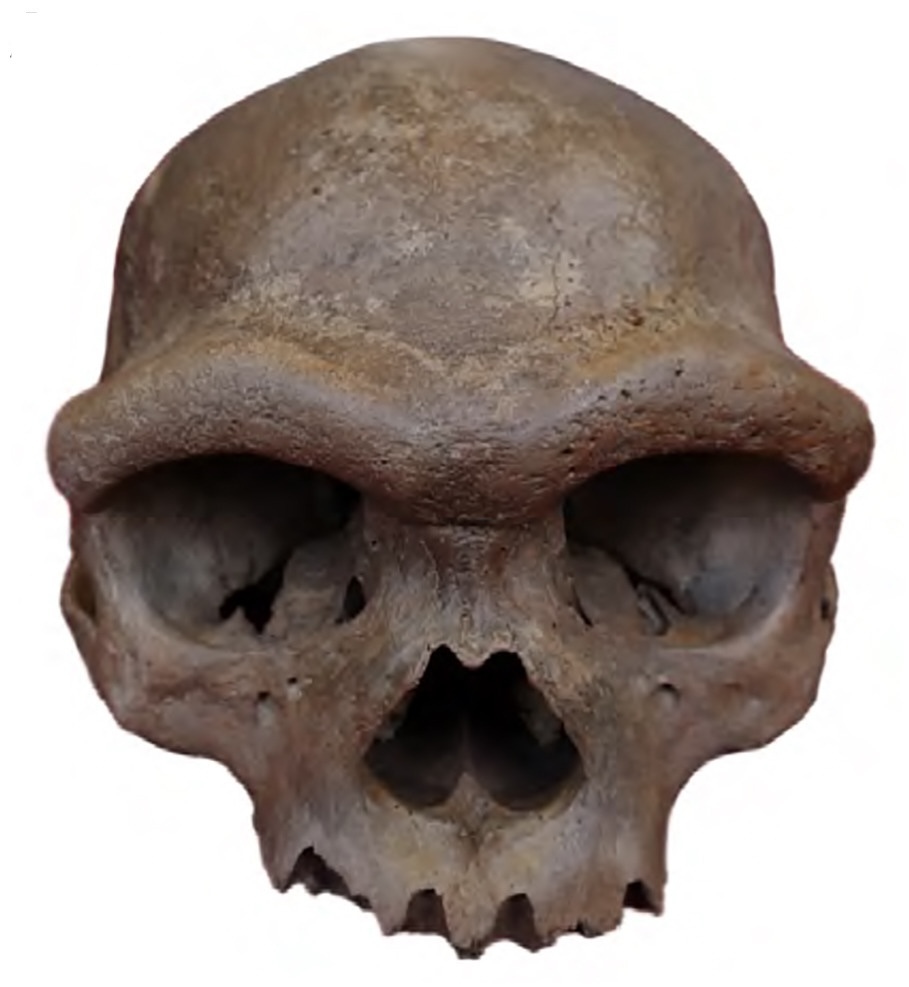
The Denisovans or Denisova hominins ( də-NIS-ə-və(nz)) are an extinct species or subspecies of archaic human that ranged across Asia during the Middle to Late Pleistocene, approximately 200,000–32,000 years ago. Most of what is known about Denisovans comes from DNA evidence. While many recent fossils have been found and tentatively identified as Denisovan, the first Denisovans discovered were known from few physical remains. Consequently, no formal species name has been established. However, an analysis of the mitochondrial DNA and endogenous proteins from the Harbin cranium, which had been given the name Homo longi, showed that this skull represents a Denisovan.
In a study published in September 2025, remains from six additional sites in China including the one-million-year-old Yunxian man were proposed to be related to the Homo longi lineage with the genetically confirmed Denisovans. Other authors have included other Denisovan remains, like Penghu 1 and the Xiahe mandible, within the species Homo juluensis.
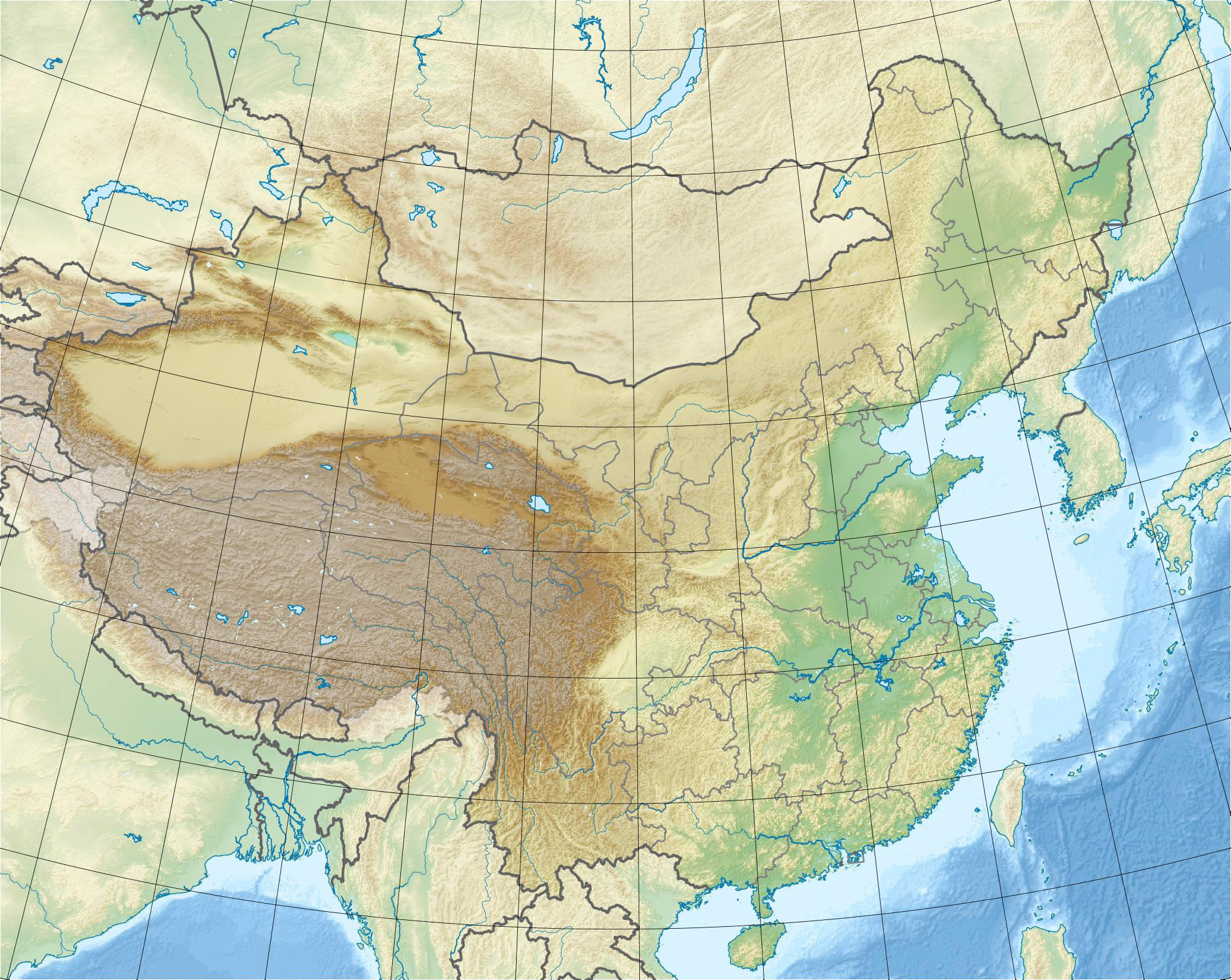
The first identification of a Denisovan individual occurred in 2010, based on mitochondrial DNA (mtDNA) extracted from a juvenile finger bone excavated from the Siberian Denisova Cave in the Altai Mountains in 2008. Nuclear DNA indicates close affinities with Neanderthals. The cave was also periodically inhabited by Neanderthals. Additional specimens from Denisova Cave were subsequently identified, as were specimens from the Baishiya Karst Cave on the Tibetan Plateau, Tam Ngu Hao 2 Cave in the Annamite Mountains of Laos, the Penghu channel between Taiwan and the mainland, and Harbin in Manchuria.
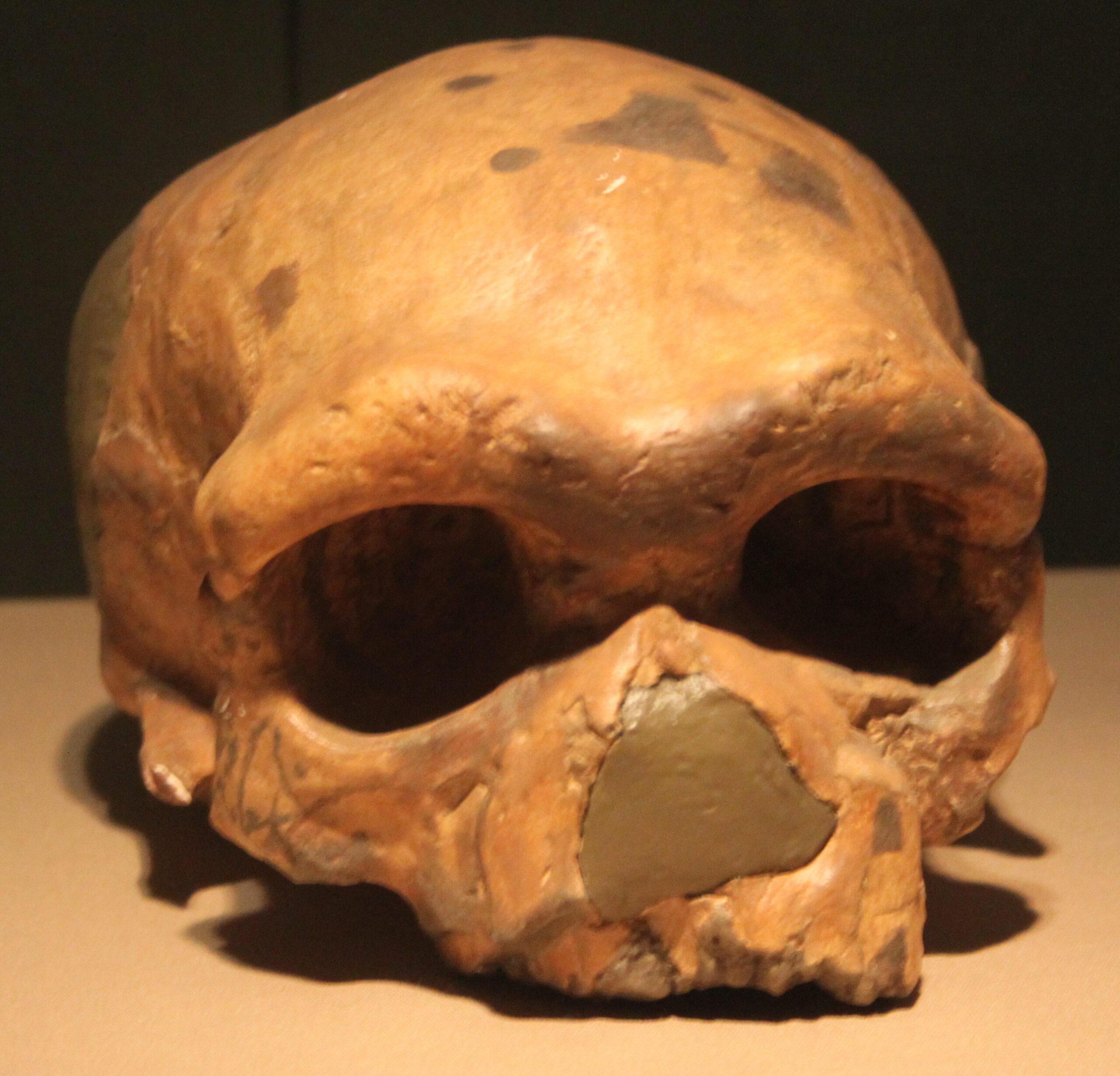
DNA evidence suggests they had dark skin, eyes, and hair, and had a Neanderthal-like build. Based on the Harbin cranium, like other archaic humans, the skull is low and long, with massively developed brow ridges, wide eye sockets, and a large mouth. The two existing Denisovan mandibles show that, like Neanderthals, the Denisovans lacked a chin. Like modern humans and the much earlier Homo antecessor, but unlike Neanderthals, the face is rather flat, but with a larger nose. However, they had larger molars which are reminiscent of Middle to Late Pleistocene archaic humans and australopithecines. The cranial capacity and therefore the brain size of the Denisovans was within the range of modern humans and Neanderthals.
Denisovans interbred with modern humans, with a high percentage (roughly 5%) of Denisovan DNA occurring in Melanesians, Aboriginal Australians, and Filipino Negritos. In contrast, 0.2% derives from Denisovan ancestry in mainland Asians and Native Americans. In a 2018 study, South Asians were found to have levels of Denisovan admixture similar to that seen in East Asians. Another study found that the highest Denisovan ancestry is inferred in Oceanians (~2.0%), while most populations of Native Americans, East Asians, and South Asians have similar amounts (~0.1%). This suggests Denisovan populations were distributed across Asia. Evidence also suggests that there was interbreeding with the Altai Neanderthal population, with about 17% of the Denisovan genome from Denisova Cave deriving from them. A first-generation hybrid nicknamed “Denny” was discovered with a Denisovan father and a Neanderthal mother. Additionally, 4% of the Denisovan genome comes from admixture with Asian Homo erectus (also known as Peking Man) which diverged from Denisovans, Neanderthals and modern humans over one million years ago.
Konuyla İlgili Görseller
EquiDistantConicProjection :
Central parallel :
* N: 36.0° N
Central me…
Görsel Kaynağı: Wikimedia Commons