
Sickle cell hastalığı Nedir?
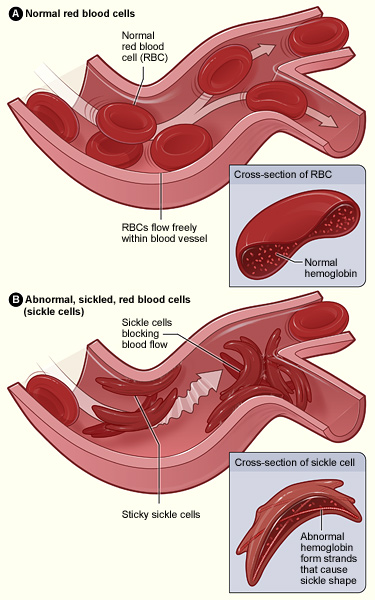
Sickle cell disease (SCD), also simply called sickle cell, is a group of inherited hemoglobin-related blood disorders. Sickle cell disease is caused by an abnormality in the oxygen-carrying protein haemoglobin found in red blood cells. This leads to the red blood cells adopting an abnormal sickle-like shape under certain circumstances. With this shape, they cannot deform as they pass through capillaries, causing blockages.
Problems in sickle cell disease typically begin around 5 to 6 months of age. Several health problems may develop, such as attacks of pain (known as a sickle cell crisis) in joints, anaemia, swelling in the hands and feet, bacterial infections, dizziness and stroke. The probability of severe symptoms, including long-term pain, increases with age. Without treatment, people with sickle cell disease rarely reach adulthood, but with good healthcare, median life expectancy is between 58 and 66 years. All of the major organs are affected by sickle cell disease. The liver, heart, kidneys, lungs, gallbladder, eyes, bones, and joints can be damaged by abnormal sickle cells and their inability to flow through the small blood vessels.
Sickle cell disease occurs when a person inherits two abnormal copies of the β-globin gene that make haemoglobin, one from each parent. The abnormal gene generates haemoglobin S (HbS) which changes the properties of red blood cells. A sickle cell crisis occurs when red blood cells switch from the normal saucer-like shape to a sickle-like shape, which can obstruct small blood vessels; an attack can be set off by temperature changes, stress, dehydration, and high altitude. A person with a single abnormal gene does not usually have symptoms and is said to have sickle cell trait, these people are also referred to as carriers. Diagnosis is by a blood test. Some countries test all babies at birth for the disease. Diagnosis of the unborn foetus is also possible during pregnancy.
The care of people with sickle cell disease may include infection prevention with vaccination and antibiotics, high fluid intake, folic acid supplementation, and pain medication. Other measures may include blood transfusion and the medication hydroxycarbamide (hydroxyurea). In 2023, new gene therapies were approved involving the genetic modification and replacement of blood forming stem cells in the bone marrow.
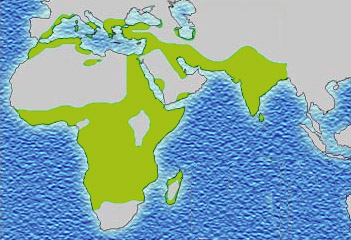
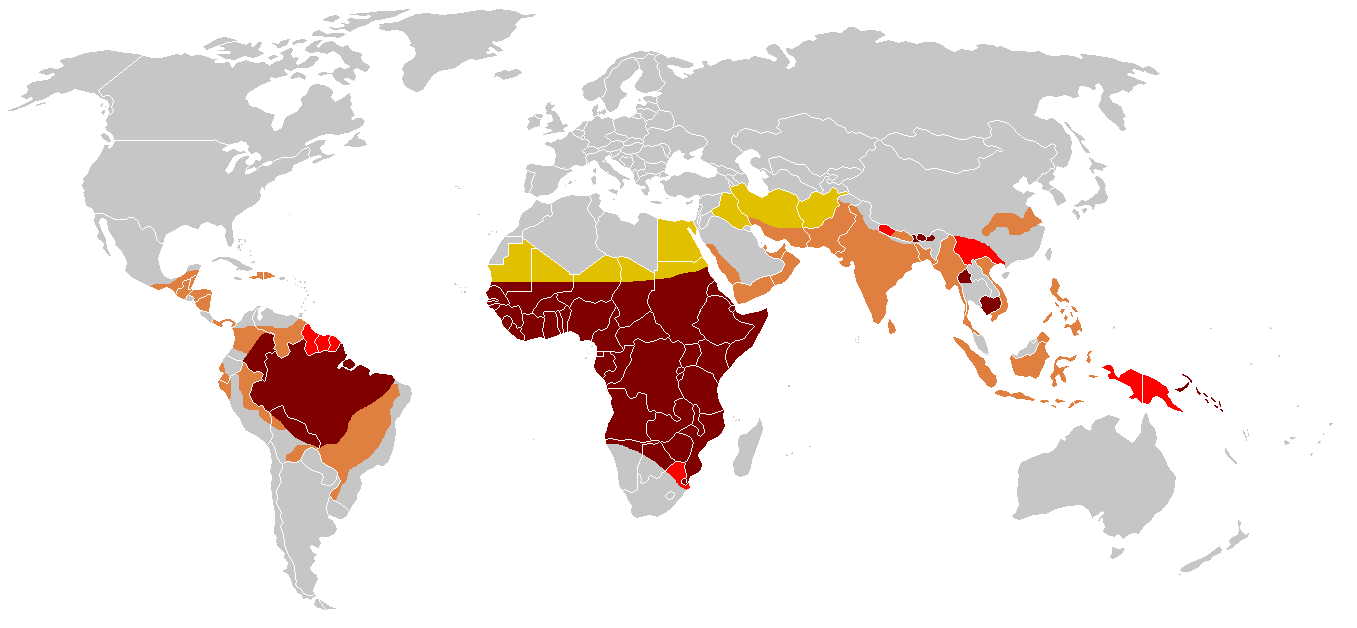
As of 2021, sickle cell disease is estimated to affect about 7.7 million people worldwide, directly causing an estimated 34,000 annual deaths and a contributory factor to a further 376,000 deaths. About 80% of sickle cell disease cases are believed to occur in sub-Saharan Africa. It also occurs to a lesser degree among people in parts of India, Southern Europe, West Asia, North Africa and among people of African origin (sub-Saharan) living in other parts of the world. The condition was first described in the medical literature by American physician James B. Herrick in 1910. In 1949, its genetic transmission was determined by E. A. Beet and J. V. Neel. In 1954, it was established that carriers of the abnormal gene are protected to some degree against malaria, which accounts for its persistence in populations threatened by malaria.
Konuyla İlgili Görseller
-not updated
Eng…
Görsel Kaynağı: Wikimedia Commons
Söz sizde.
Deneyiminizi, sorularınızı ve katkılarınızı paylaşın. E-posta adresiniz yayımlanmaz.