Iconoclasm
Iconoclasm, derived from the Ancient Greek words eikṓn (figure, icon) and kláō (to break), is the belief in the importance of the destruction of icons and other images or monuments, often for religious or political reasons. Those who engage in or support such actions are known as iconoclasts. In a broader sense, the term has come to be applied figuratively to anyone who challenges “cherished beliefs or venerated institutions on the grounds that they are erroneous or pernicious.”
Conversely, one who reveres or venerates religious images is referred to as an iconolater; in a Byzantine context, such a person is specifically called an iconodule or iconophile. It is important to distinguish iconoclasm from the practice of damnatio memoriae, which specifically refers to the destruction of the images of a ruler following their death or overthrow.
While iconoclasm may be carried out by adherents of different religions, it is more commonly the result of sectarian disputes between factions of the same religion. The term originates from the Byzantine Iconoclasm, which involved intense struggles between proponents and opponents of religious icons in the Byzantine Empire from 726 to 842 AD. While the intensity of iconoclasm varies among different faiths, the practice is particularly common in religions that oppose idolatry, such as the Abrahamic religions.
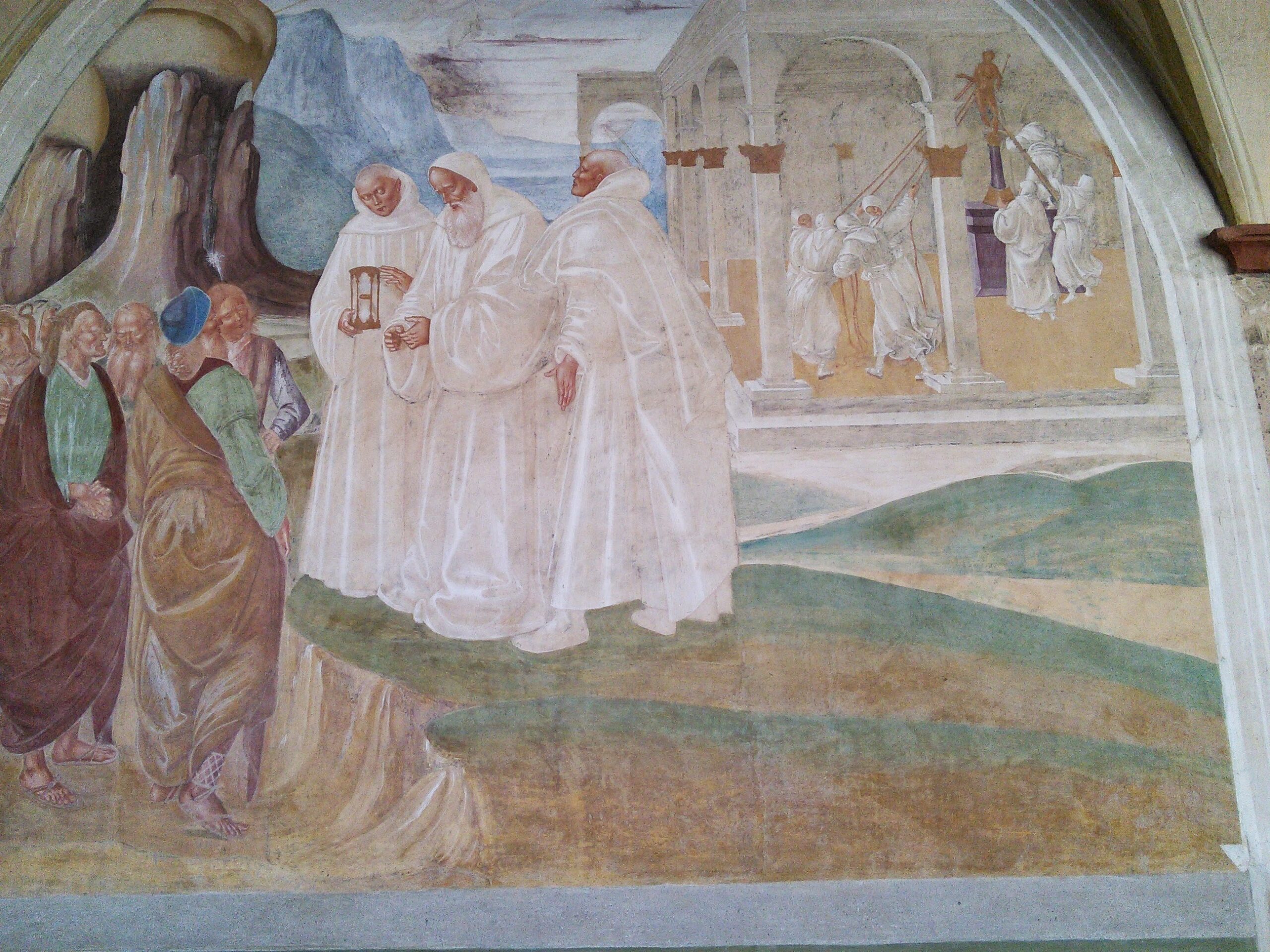
Outside of a religious context, iconoclasm can refer to movements for the widespread destruction of symbols associated with an ideology or cause. A notable historical example includes the destruction of monarchist symbols during the French Revolution.
Görsel Kaynağı: Wikimedia Commons