Pathogens
In biology, a pathogen (derived from the Greek πάθος (pathos) meaning ‘suffering, passion’ and -γενês (-genēs) meaning ‘producer of’) is defined in the broadest sense as any organism, agent, or micro-organism capable of producing disease. These entities are also frequently referred to as infectious agents or simply as germs.
The term “pathogen” entered scientific usage in the 1880s. It is typically used to describe a wide range of infectious microorganisms or agents, including:
- Viruses
- Bacteria
- Protozoans
- Prions
- Viroids
- Fungi
While smaller animals, such as helminths and insects, can also cause or transmit disease, these organisms are generally classified as parasites rather than pathogens. Consequently, the scientific study of microscopic organisms—including those that are pathogenic—is known as microbiology, while parasitology refers to the specific study of parasites and the organisms that host them.
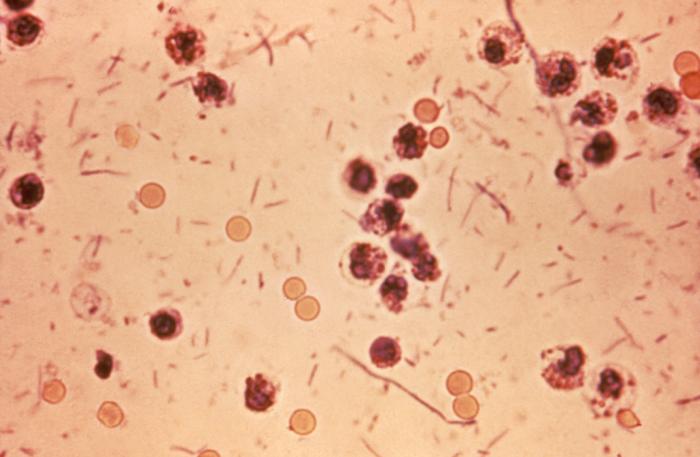
There are several pathways through which pathogens can invade a host. These pathways vary in their episodic time frames; however, soil is recognized for having the most persistent potential for harboring a pathogen.

Diseases in humans caused by infectious agents are classified as pathogenic diseases. It is important to distinguish these from conditions not caused by pathogens, such as environmental exposures (e.g., black lung from coal dust), genetic disorders (e.g., sickle cell disease), and autoimmune diseases (e.g., lupus).
Görsel Kaynağı: Wikimedia Commons