Rotavirus
Rotaviruses are recognized as the most common cause of diarrhoeal disease among infants and young children globally. It is estimated that nearly every child in the world is infected with a rotavirus at least once by the age of five. Immunity develops with each infection, which results in subsequent infections being less severe. In contrast, adults are rarely affected by the virus.
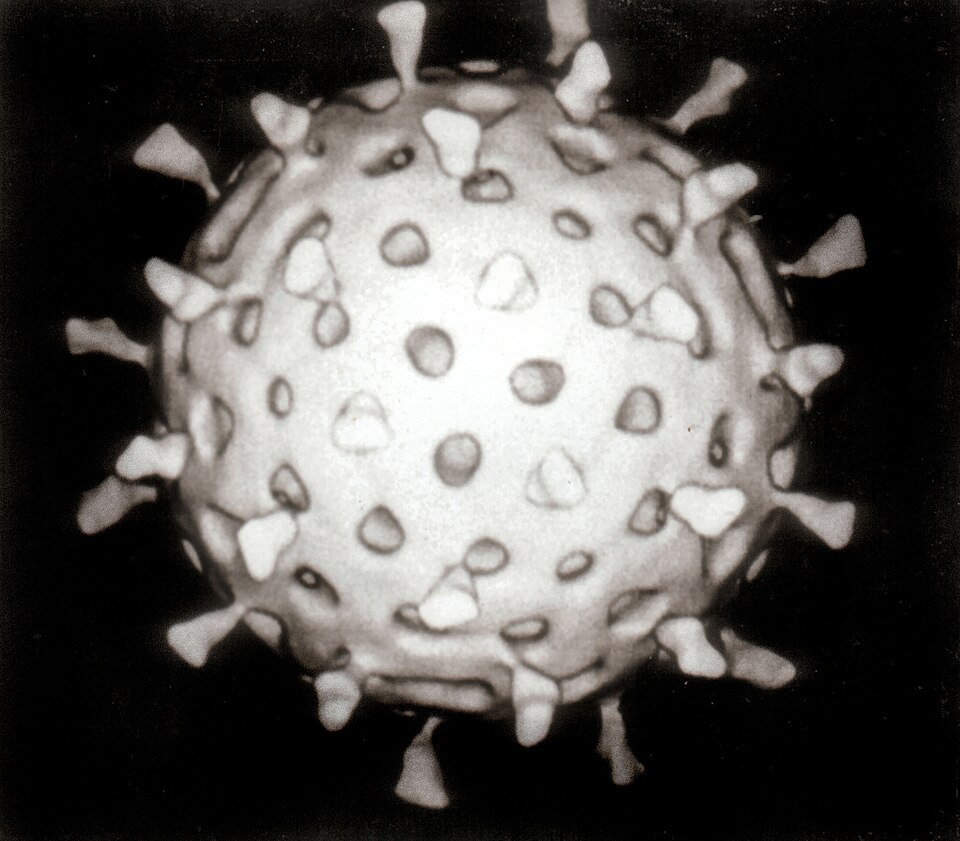
The virus is transmitted via the faecal–oral route. It infects and damages the cells that line the small intestine, leading to gastroenteritis. Beyond its impact on human health, rotavirus also infects other animals and serves as a pathogen of livestock.
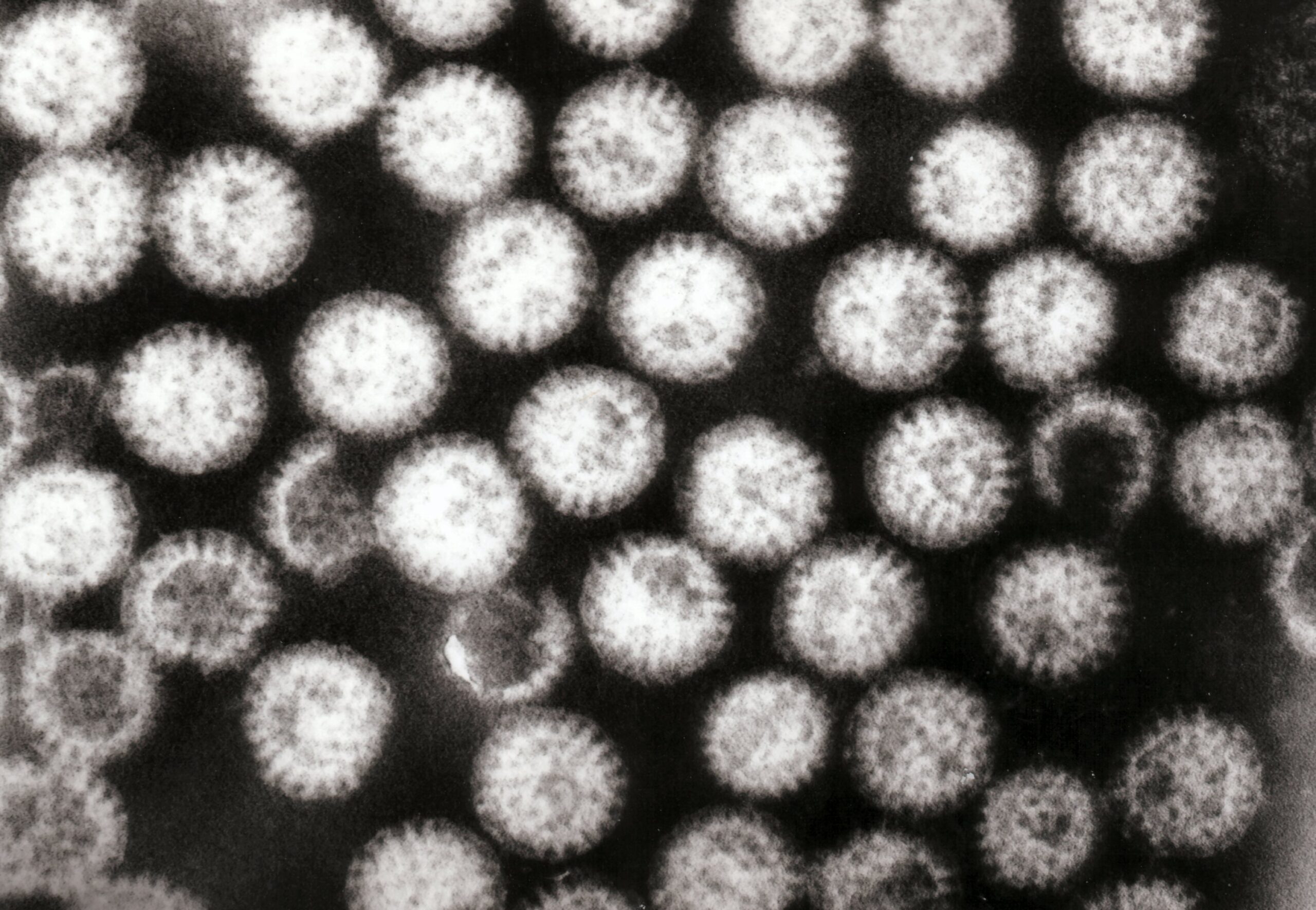
Although rotavirus was discovered in 1973 by Ruth Bishop and her colleagues through electron micrograph images, its significance within the public health community—particularly in developing countries—was historically underestimated. Despite this, it is known to account for approximately one-third of hospitalisations for severe diarrhoea in infants and children.
Rotaviral enteritis is generally an easily managed disease of childhood; however, it remains a significant threat to young children. In 2019, rotavirus caused an estimated 151,714 deaths worldwide from diarrhoea among children under the age of five. In the United States, before the initiation of the rotavirus vaccination programme in the 2000s, the virus caused approximately 2.7 million cases of severe gastroenteritis in children, nearly 60,000 hospitalisations, and around 37 deaths each year. Following the introduction of the vaccine, hospitalisation rates have fallen significantly.
Public health campaigns to combat rotavirus focus on two primary interventions:
- Providing oral rehydration therapy for infected children.
- Implementing vaccination programs to prevent the disease.
The incidence and severity of rotavirus infections have declined significantly in countries that have integrated the rotavirus vaccine into their routine childhood immunisation policies.
Taxonomically, Rotavirus is a genus of double-stranded RNA viruses within the family Reoviridae. There are eleven species classified within this genus, typically referred to as RVA, RVB, RVC, RVD, RVF, RVG, RVH, RVI, RVJ, RVK, and RVL. The most common of these is RVA, which causes more than 90% of rotavirus infections in humans.
Görsel Kaynağı: Wikimedia Commons